
Storefront
Theme, sections, product data, search and cart behavior.
SHOPIFY • SHOPIFY PLUS • APPS • MIGRATIONS • CRO
Custom storefronts, Shopify Plus, applications, migrations, integrations and conversion work for brands that need more than an off-the-shelf implementation.
Our expertise
Custom themes, sections, UX and conversion-focused Shopify experiences.
Advanced checkout, B2B, automation and scalable commerce architecture.
Custom apps, APIs, ERP, CRM and platform integrations.
Trustpilot 4.9/5 · 316 reviewsSince 2012Houston, TX
What senior Shopify engineering looks like.
SHOPIFY ENGINEERING
Storefront craft, platform logic, apps and operational integrations need to be treated as one commerce product.
Shopify Architecture
The customer experience is only one layer. Theme code, checkout logic, apps, APIs and operational systems have to behave like one commerce product.
Illustrative example — one Shopify order from storefront to operations and back.
Theme, sections, product data, search and cart behavior.
Functions, checkout extensions, discounts, B2B and automation.
Custom apps, GraphQL, webhooks and owned integration logic.
Orders, inventory, fulfillment and customer data.
Shopify Development
Early stores succeed on a theme and a handful of apps. Growing brands run into merchandising limits, app conflicts, slow pages, bespoke B2B rules, subscription logic and integrations that no setting can solve. That is the work Webinopoly does.
We treat the storefront as engineered software: a custom theme with maintainable components, custom apps where behavior must be owned, Shopify Plus features used deliberately, and integrations that keep inventory, customers and orders accurate across systems.
Storefront System
Reusable sections and blocks should give the team control, while metafields keep product-specific content structured and consistent.
Illustrative example — a merchandiser editing a custom Online Store 2.0 theme.
Capabilities
Bring in the right capability for a rebuild, migration or focused engineering need.
Review catalog, merchandising, apps, performance and operations, then define the store architecture and roadmap.
Design and build a distinct storefront experience rather than restyling a stock theme.
Engineer maintainable themes with reusable sections and blocks so merchandisers can work without developer tickets.
Use Hydrogen or another decoupled storefront when content, performance or experience goals justify the added complexity.
Apply Plus capabilities such as expansion stores, scripts-era discount logic, Functions, checkout extensibility, Flow automation and B2B.
Implement company accounts, catalogs, price lists, payment terms and wholesale ordering behavior.
Build private and custom apps when required behavior belongs in owned code instead of a third-party subscription.
Connect Shopify with ERP, CRM, PIM, 3PL, subscription, support and marketing systems through documented APIs.
Move catalogs, customers, orders, content and URLs from other platforms with redirect and SEO planning.
Improve collection, product, cart and checkout experience through behavioral review and structured testing.
Reduce app bloat, script weight and render cost to improve Core Web Vitals and real user experience.
Provide continuous development, merchandising support, releases and roadmap execution after launch.
Implementation decisions
Shopify development has changed substantially. These decisions shape how a store is built and modernized.
Online Store 2.0 themes with sections, blocks and metafield-driven content, plus Liquid and modern front-end tooling. Hydrogen where a headless storefront is warranted.
OS 2.0SectionsMetafieldsHydrogenShopify Functions for discounts and delivery logic, checkout extensibility, Flow automation and custom apps for owned behavior.
FunctionsCheckout UIFlowCustom appsAdmin and Storefront GraphQL APIs, webhooks, metaobjects and middleware connecting ERP, CRM, PIM and fulfillment systems.
GraphQLWebhooksMetaobjectsERP / 3PLBuyer guidance
Practical criteria matter more than a long list of badges.
Ask how they engineer themes for merchandiser autonomy, when they write a custom app instead of installing one, how they handle performance and app bloat, how migrations and redirects are planned, and who supports the store after launch.
Plus becomes worthwhile with higher order volume, complex discount or checkout logic, B2B requirements, multiple regional stores or automation needs. Many brands get further with better engineering on standard Shopify first.
Third-party apps are efficient for common, well-maintained functionality. A custom app is better when the behavior is core to the business, the app market forces compromises, or stacked subscriptions and script weight are hurting performance.
A well-built Online Store 2.0 theme covers most requirements with lower cost and complexity. Headless is justified by demanding content architecture, unusual experience requirements or performance goals a theme genuinely cannot meet.
Design depth, catalog and data complexity, custom app work, integrations, B2B or subscription logic, migration scope, content production and testing. Scope is defined after an audit rather than quoted as a fixed package.
App Strategy + Performance
The goal is not fewer apps at any cost. It is deliberate ownership: Shopify native where it fits, a specialist app where it earns its place, and owned code where the behavior matters to the business.
Illustrative audit — example figures, not a client result.
Use platform capability first when it cleanly owns the requirement.
Use a mature maintained app when the capability is common and the tradeoffs are acceptable.
Own the code when the behavior is differentiated, operationally critical or compromised by generic tools.
Start with the store you have
Share the store, the apps, the systems behind it and what you want it to do next. We will outline a practical path.
Shopify Store Check
Select what applies to see a suggested starting point.
Our process
Review theme code, apps, performance, merchandising, integrations and analytics to find what is actually holding the store back.
Define store architecture, Plus requirements, app strategy, migration needs and release phases.
Design collection, product, cart and checkout experiences around how customers browse and buy.
Develop theme, custom apps and integrations in a development store with real product data.
Validate orders, discounts, shipping, taxes, devices, tracking and app interactions before release.
Publish with redirects, DNS, payment verification, inventory sync and monitoring in place.
Continue with CRO, merchandising support, performance work and roadmap development.
Review theme code, apps, performance, merchandising, integrations and analytics to find what is actually holding the store back.
Define store architecture, Plus requirements, app strategy, migration needs and release phases.
Design collection, product, cart and checkout experiences around how customers browse and buy.
Develop theme, custom apps and integrations in a development store with real product data.
Validate orders, discounts, shipping, taxes, devices, tracking and app interactions before release.
Publish with redirects, DNS, payment verification, inventory sync and monitoring in place.
Continue with CRO, merchandising support, performance work and roadmap development.
Migration SEO
A migration changes URLs, templates, structure and page speed at once. Handled deliberately, organic traffic can be protected through the transition.
Redirects, structured data and Search Console monitoring are part of the migration plan, not an afterthought.
Selected work
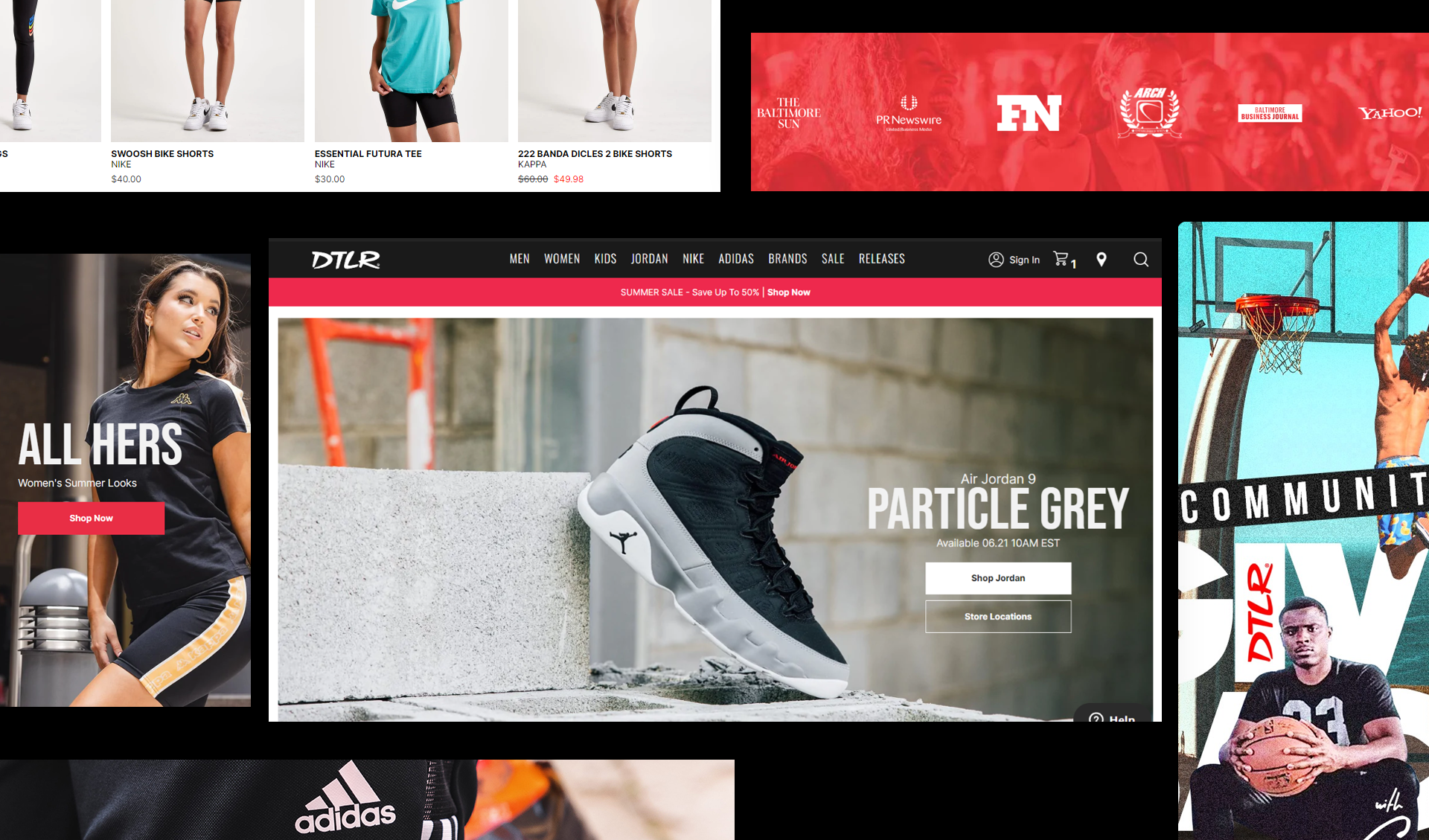 DTLRA retail ecommerce experience built around product discovery and a responsive shopping journey.
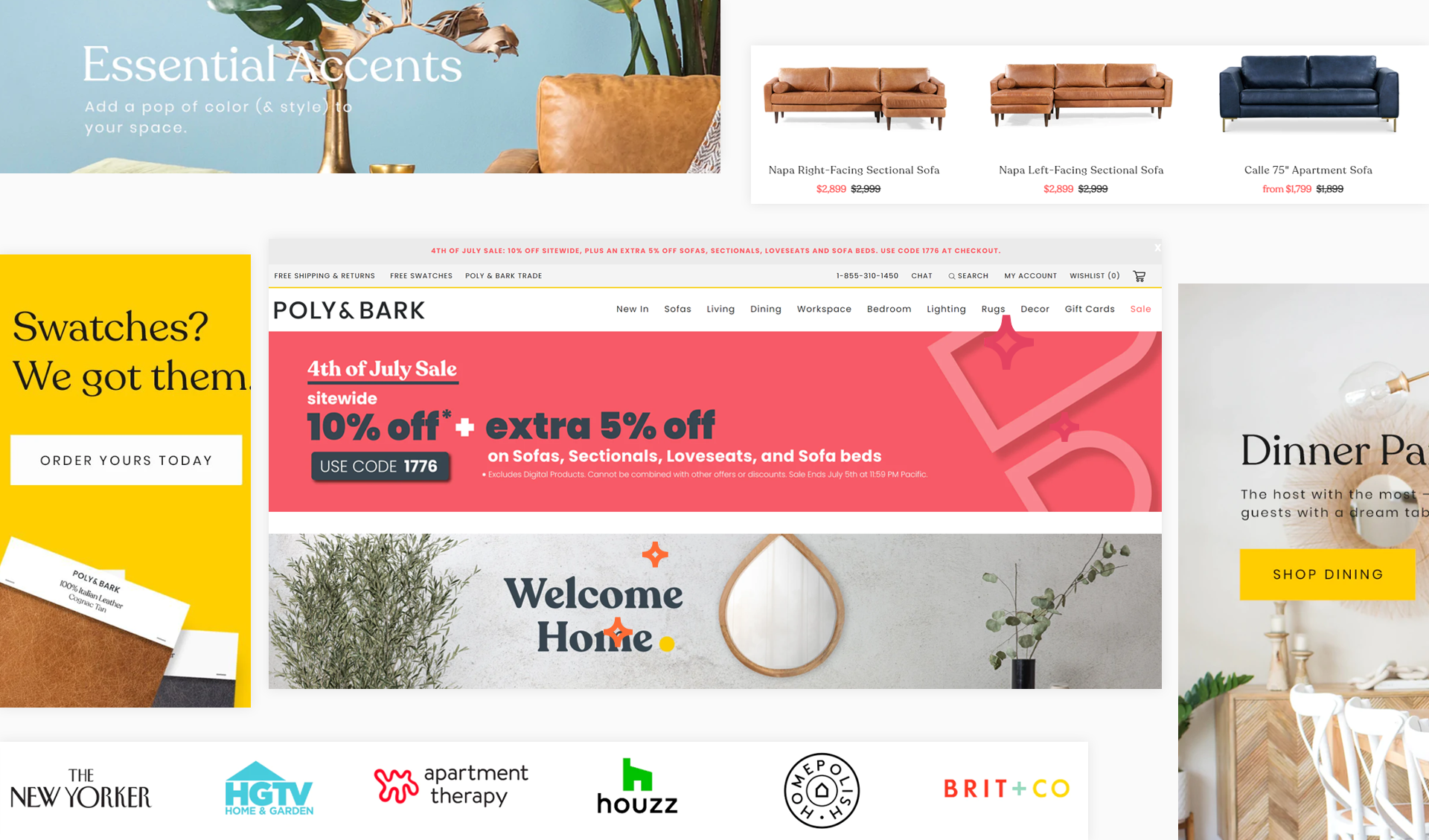 Poly & BarkA furniture storefront that brings editorial merchandising and product exploration into one cohesive experience.
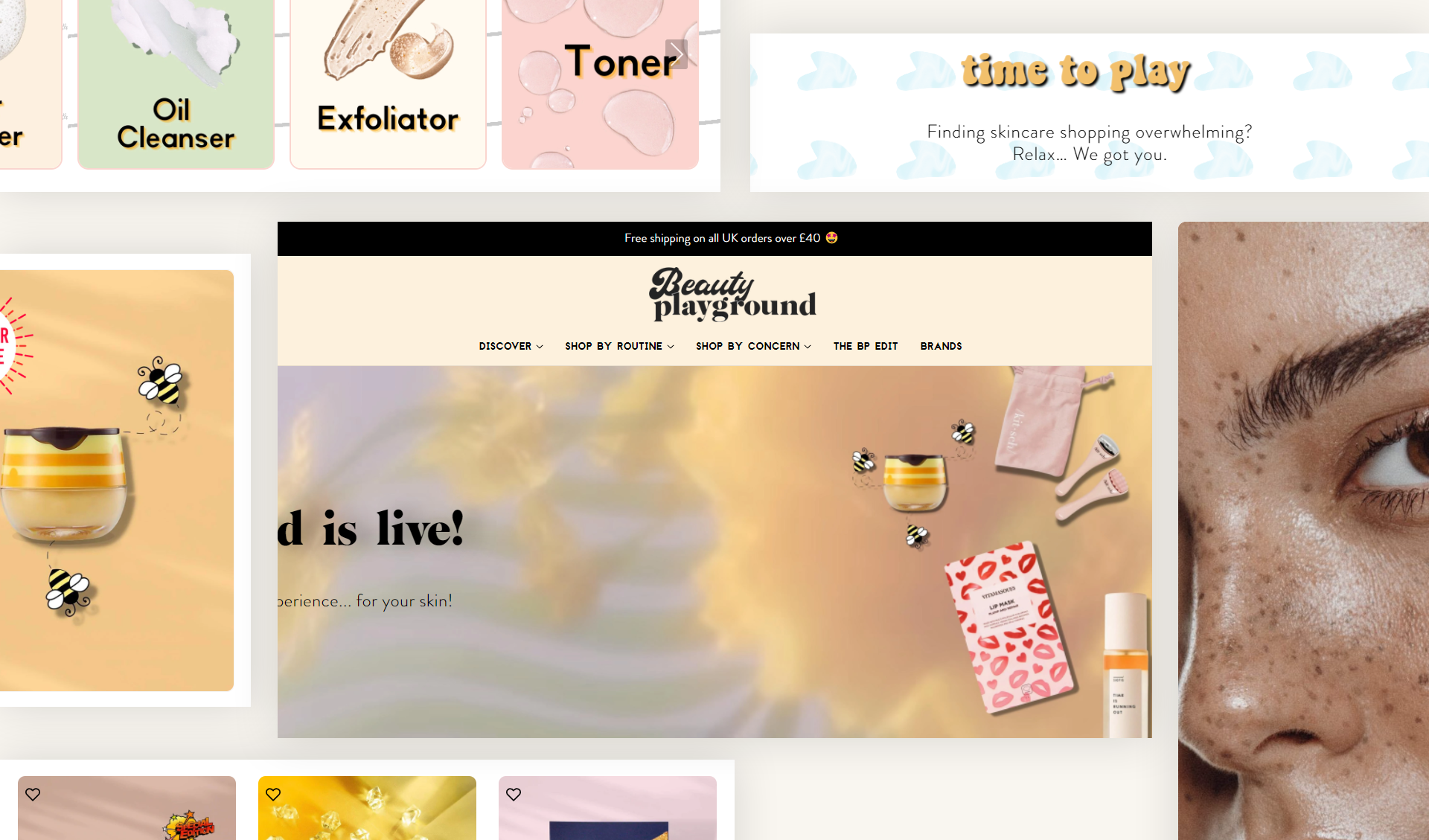 Beauty Playground UKA playful beauty retail experience that organizes discovery, routines and product storytelling across devices.
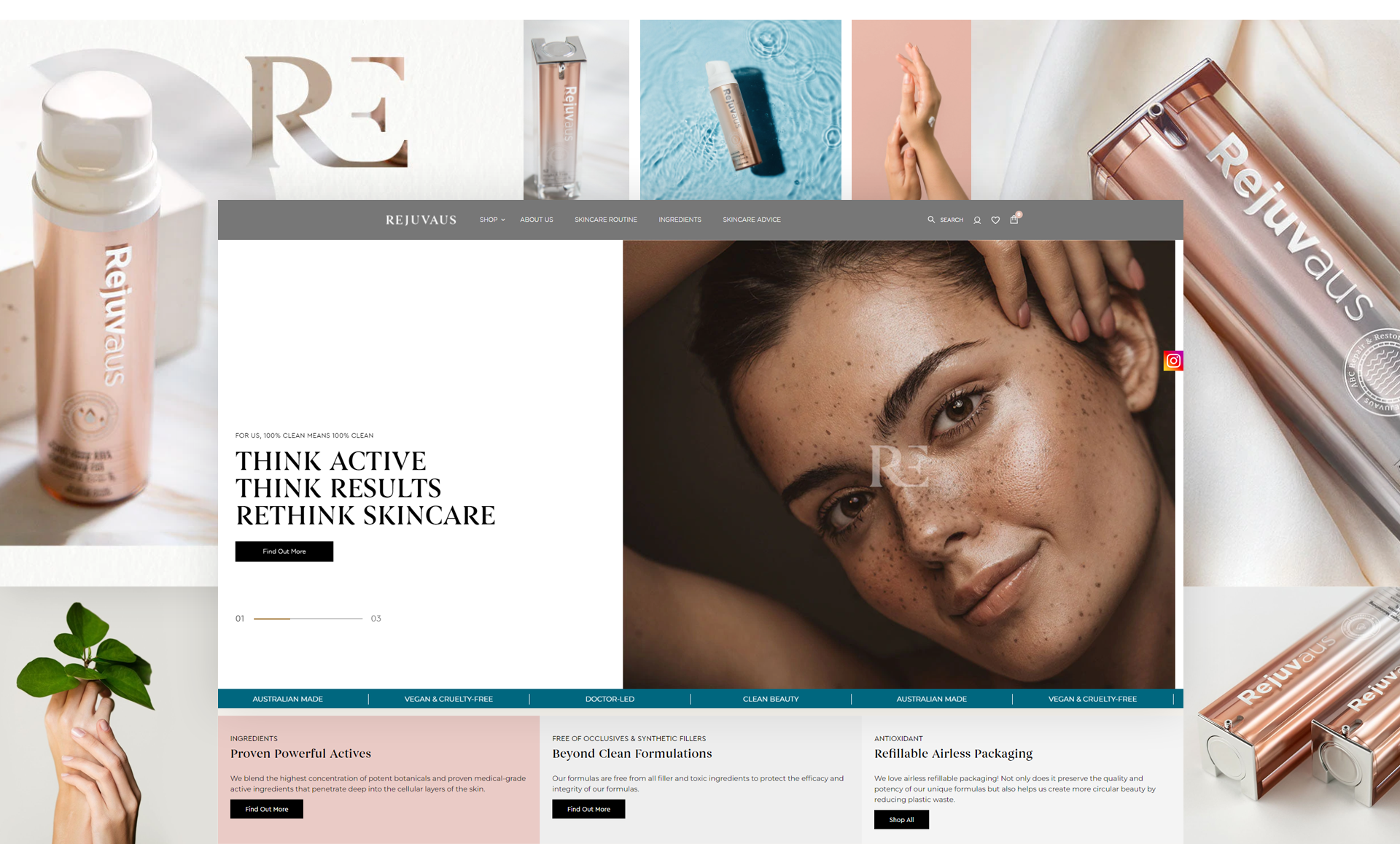 RejuvausA skincare commerce experience with a clean editorial system for products, routines and brand education.
 Bomber EyewearA product-led eyewear storefront balancing lifestyle storytelling, technical benefits and direct shopping paths.
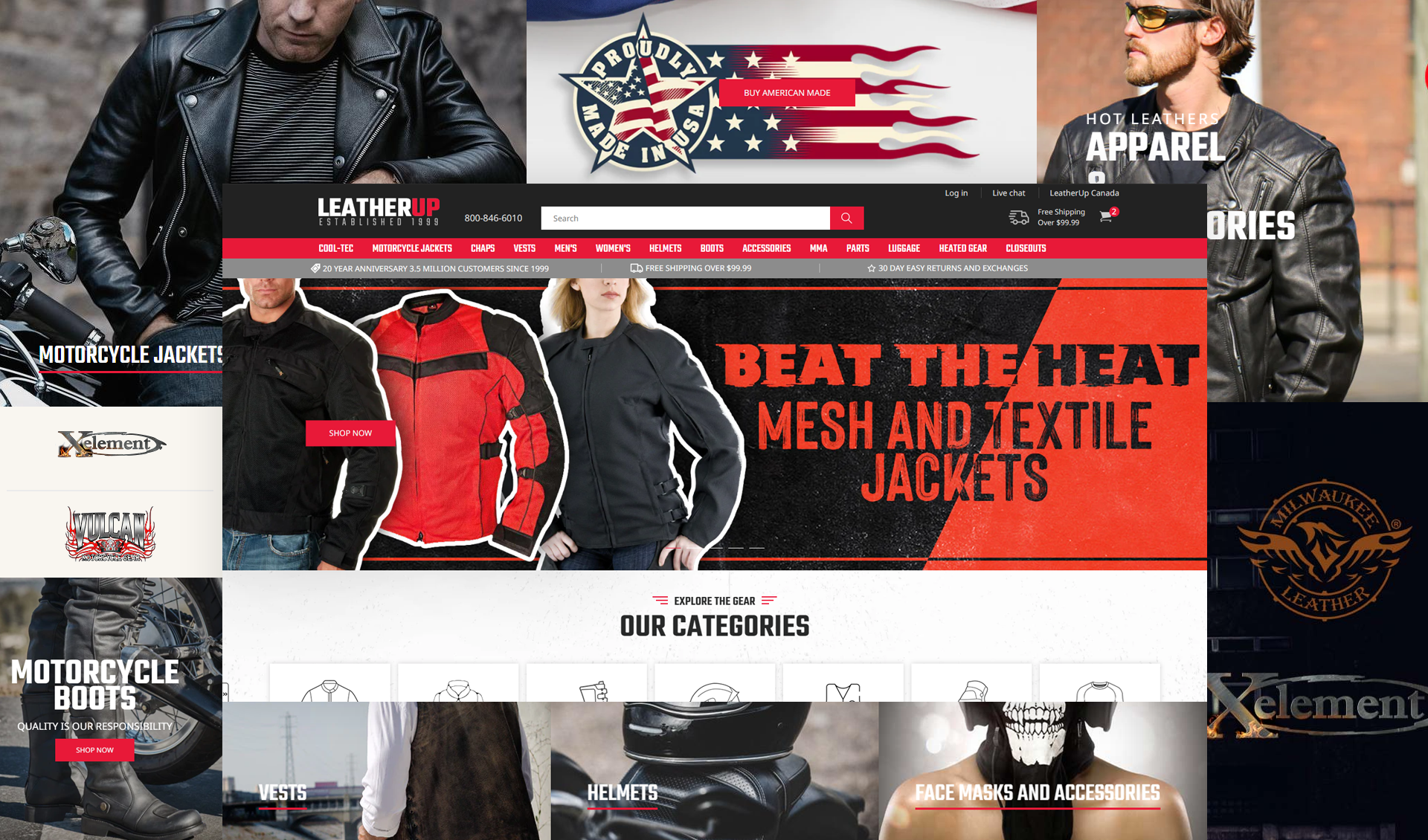 LeatherUpA large-catalog motorcycle apparel experience designed to make category and product discovery more direct.
FAQ
Shopify strategy, custom design, theme development, Shopify Plus work, custom app development, migrations, API integrations, headless storefronts, B2B implementation, conversion optimization and ongoing engineering support.
Yes. Custom themes are engineered with reusable sections and blocks so the design is distinct and the merchandising team can manage pages without developer involvement.
Yes. Migrations cover products, variants, customers, historical orders, content and URLs, with redirect mapping, integration rebuilds and testing before launch.
Yes. Plus work covers expansion stores, checkout extensibility, Shopify Functions, Flow automation and B2B company accounts. See buyer guidance →
Yes. We build custom and private apps when the behavior is core to the business or existing apps force compromises. See buyer guidance →
Yes. Shopify can be connected to ERP, CRM, PIM, subscription and fulfillment systems using the Admin and Storefront APIs, webhooks and middleware where needed.
Yes. Performance work typically addresses theme code, image delivery, third-party scripts, app bloat and render-blocking resources, measured against Core Web Vitals and real user data.
Yes. Ongoing engagements can cover development, merchandising support, conversion optimization, performance review, integrations and new functionality.
Request a quote
Share the theme, apps, catalog, integrations and the experience you want next. We’ll outline a practical path.